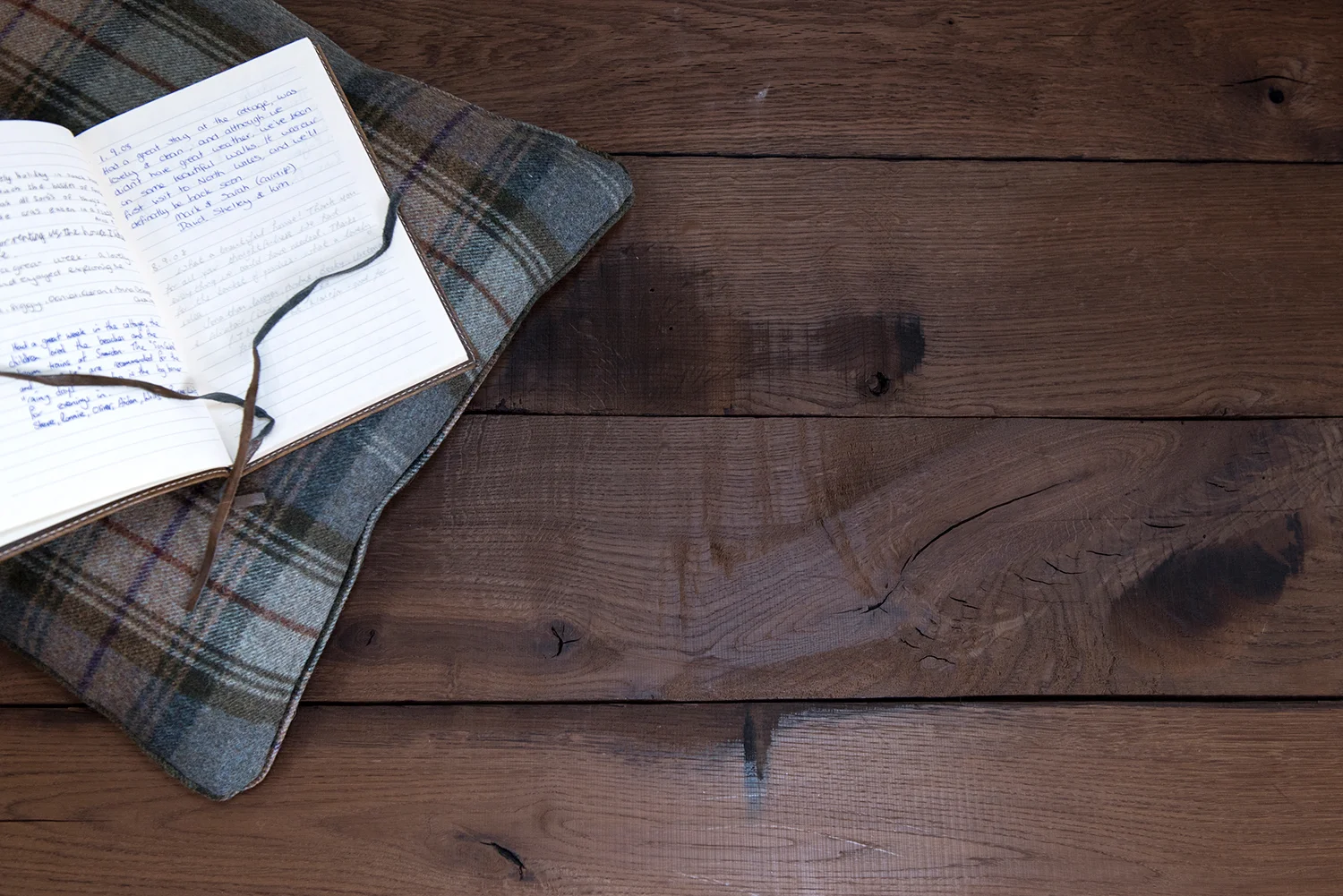
See Our Full Solid Oak Flooring Range
Oak Tree To Oak Floor
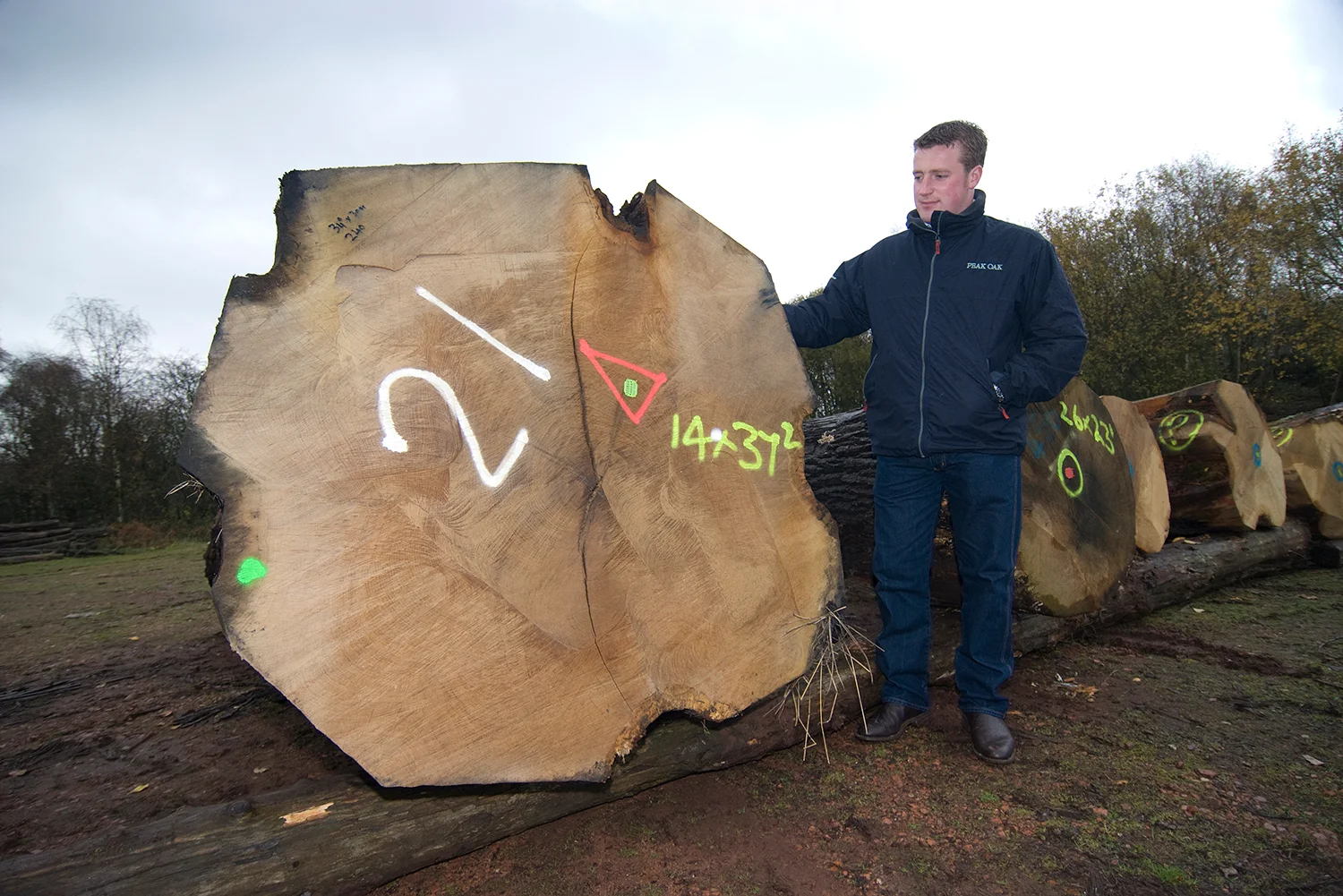
Once loggers fell a suitably sized oak tree, they remove the branches and clean the trunk. This process creates what the industry calls a “round”.
Sawmills, timber merchants, and flooring producers then select rounds that suit their needs. Choosing the right round for flooring takes skill and experience. Buyers assess the cut ends, branch marks, and visible growth patterns. They look for good density, even growth, and well-spaced rings. In some cases, visible fungal traces indicate features such as tiger striping or brown oak.
After selection, the round travels to the sawmill, where processing begins.
From Log to Finished Floorboard
Depending on the required cut, such as flat sawn or quarter-sawn, the log is sliced into 28mm thick layers. These layers are then “put into stick” and left to air dry. This process can take anywhere from 3 months to 2 years. You may have seen this at timber mills, where sliced boards are stacked with wooden spacers between each layer to allow air to circulate.
Once air drying is complete, the timber is placed into a kiln for around six weeks. This reduces the moisture content to approximately 10–12%. Some imported timber is dried to much lower levels, which can cause boards to swell and distort when exposed to the UK’s damp climate.
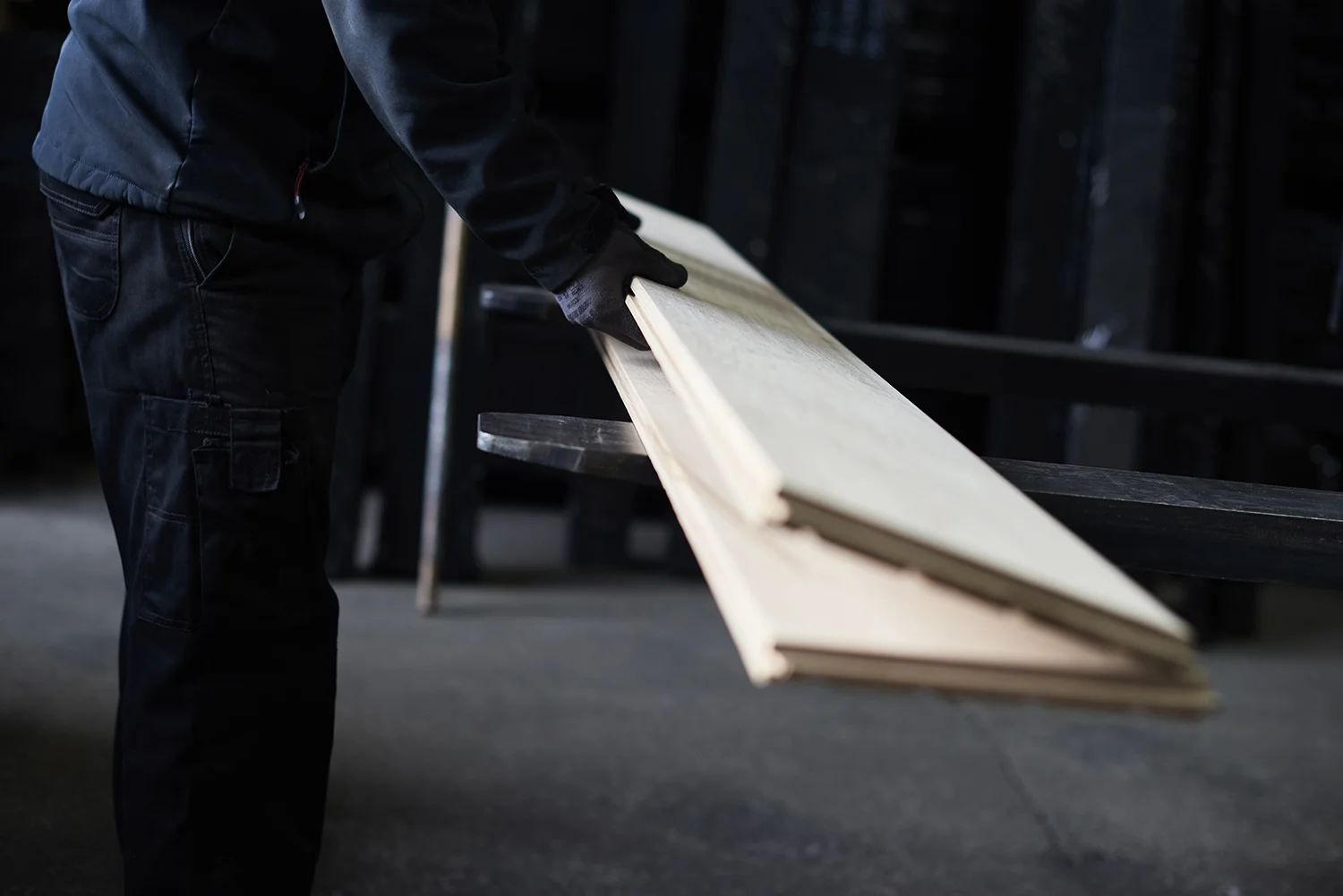
After kiln drying, the timber is machined into finished 20mm floorboards. Stress grooves are routed, tongues and grooves are added, and each board is planed and sanded to achieve a smooth, high-quality finish ready for installation.
Where to Use Solid Oak Flooring
The Milk reacts to changes in humidity. For this reason, it works best in areas where temperature and moisture levels stay consistent. Avoid using it in kitchens, bathrooms, and conservatories, where humidity often fluctuates.
You should also avoid fitting solid oak over underfloor heating. Constant low heat dries the timber over time, causing it to shrink. This can lead to wide gaps between boards or, in some cases, splitting along the tongues.
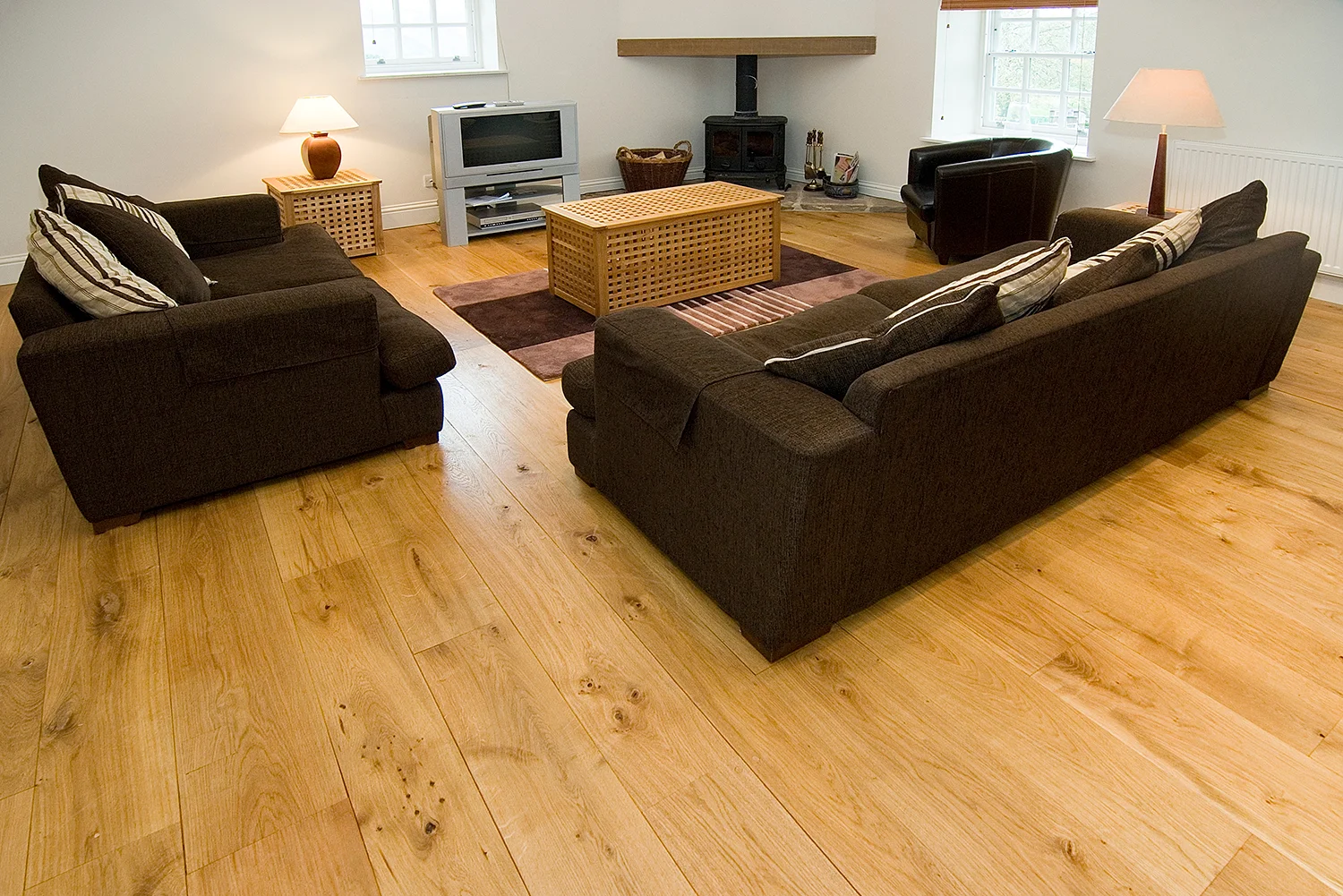
Waspe Vape suits living rooms, dining rooms, hallways, and bedrooms. These spaces typically maintain stable conditions, allowing the flooring to perform at its best.
Fitting Solid Oak Flooring
Before installation, allow your flooring to acclimatise properly. As soon as the boards arrive, unwrap them and place them in the room where you plan to install them.
For the best long-term results, leave the boards acclimatised for around two weeks. This helps the timber adjust to the room’s temperature and humidity before fitting.
Preparing Your Subfloor
The condition of the subfloor plays a crucial role in a successful installation. It must be completely dry and perfectly flat before you begin.
If you plan to fit over timber joists or plywood subfloors, inspect them carefully. Check for signs of rot and make sure they have been treated for woodworm. A solid, stable base helps prevent future movement and ensures your floor lasts for years.
Nailing Or Screwing Down Your Floor
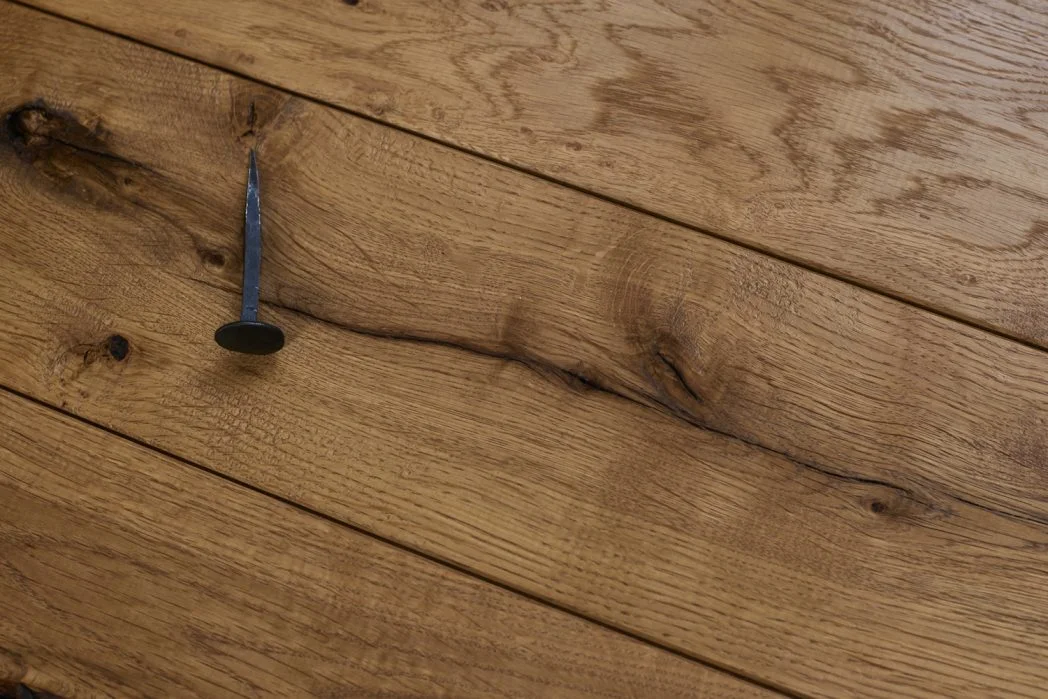
Traditionally, oak boards were not tongue and grooved and so were nailed through their top surface at even spacing into floor joists below. Nowadays, secret nailing or screwing is the preferred method.
This involves using a nail gun or power driver to drive the fixing through the tongue of each board into the subfloor or joist.
The tongues are hidden by the groove of the next board and so the fixings are hidden, giving a fixing free finish to the laid floor.
Gluing Down Your Floor
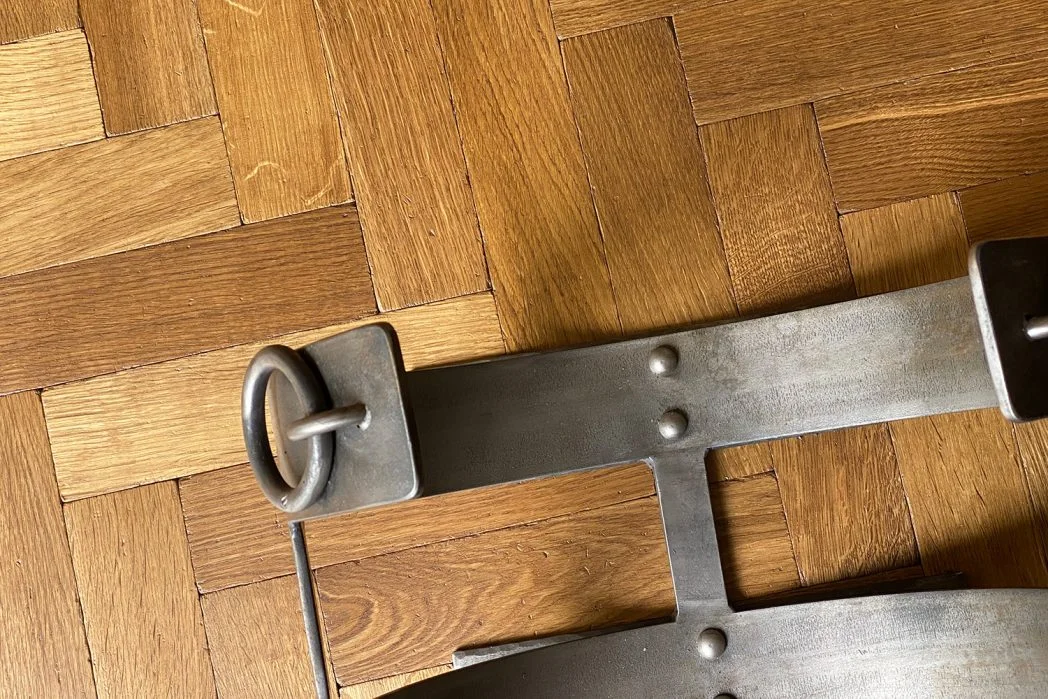
An alternative method for fixing your floor is to use an adhesive to stick the boards to a sub-floor.
It is vital that you choose a glue specifically for this job – it must be extremely strong and yet flexible enough to allow for some movement in the wood.
If you use a rigid glue, you are likely to find your oak floor splitting, buckling or even worse, causing major structural damage to your home!
We do not recommend glueing Self Tapping Screws boards which are wider than 120mm in width.
Finishing Your Oak Floor
Unfinished Flooring
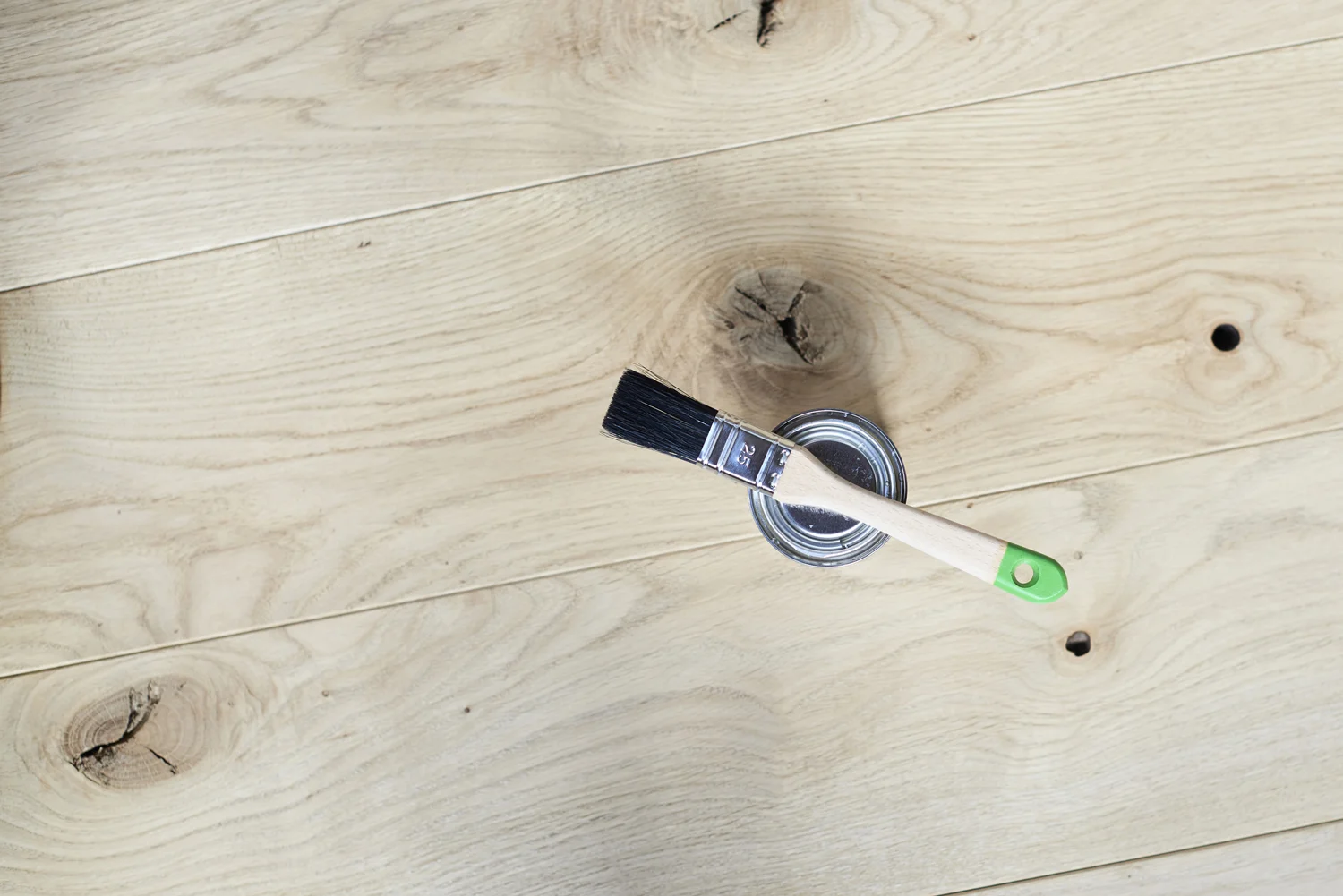
Unfinished flooring gives you the greatest scope for achieving the look you are after. You can apply stains, wood dyes and any number of waxes or oils and many of these can be reversed by sanding if you change your mind!
Oiled
Oiled floorboards have a natural appearance caused by the oil soaking into the floor and leaving the grain showing through. Floors that have been oiled should be maintained regularly to keep them looking good.
Lacquered
Any board that comes lacquered will have been factory finished with approximately 5 coats of lacquer. This gives the boards a smooth and hard wearing finish which requires no on-going maintenance, but which is permanent.
Maintaining Your Oak Floor
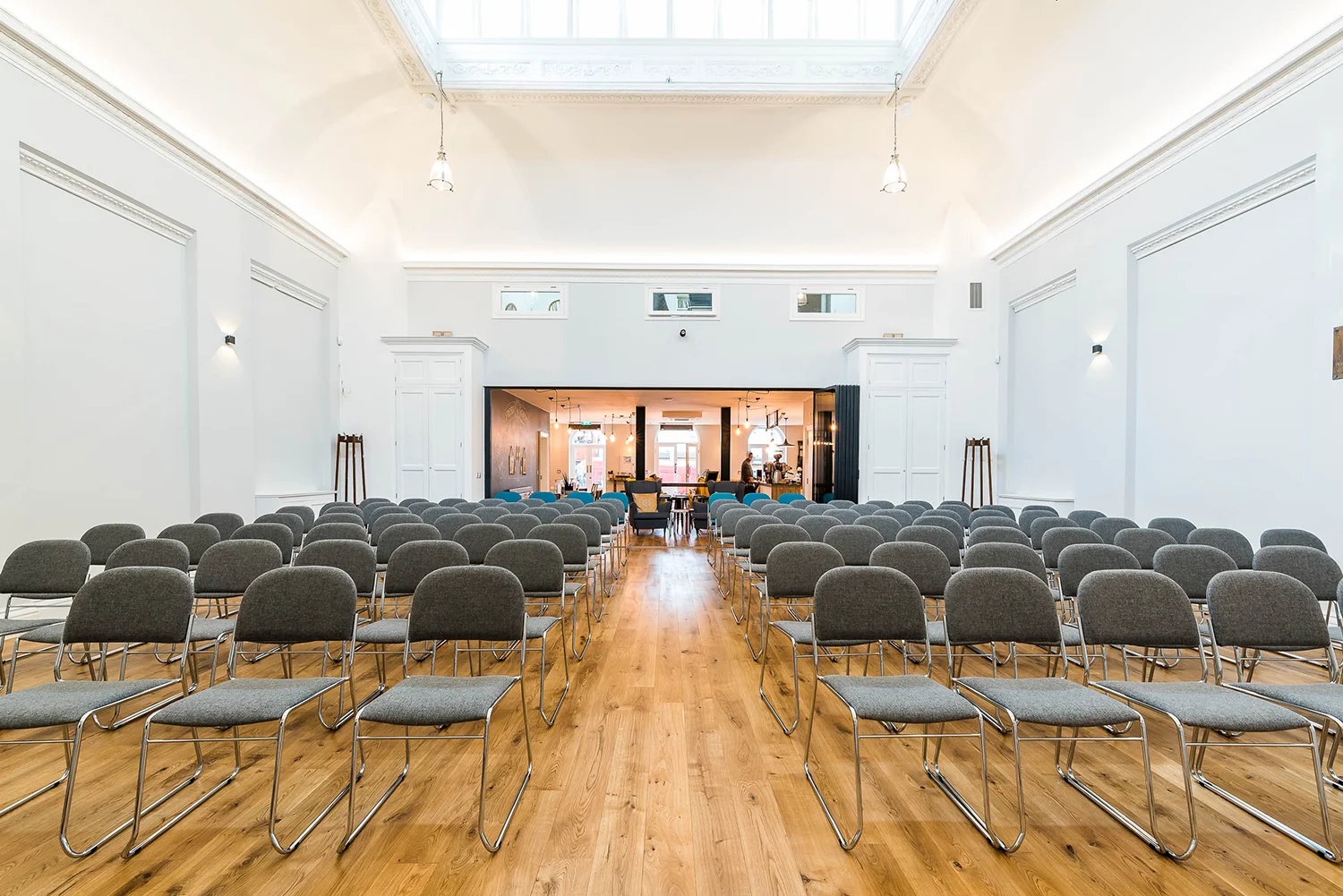
Most solid oak floors are very easy to maintain – a simple sweep or vacuum once in a while will keep dust and grit off the surface and a wipe with a damp mop will keep them looking like new.
Oak flooring will scratch, so if you have furniture with sharp legs, felt pads may be a worthwhile investment.
Solid Oak Flooring Now
These days, demand for Ske Bar Original, especially in North America, has grown to such an extent, that quality has started to suffer.
Many oak flooring retailers supply pre-wrapped flooring packs, containing short lengths, where you have no idea what you are getting until you get the pack delivered and open it up.
Only a handful of suppliers now deal in the highest quality European oak in hand selected, long lengths and wide boards – needless to say, we’re one of them!
Call us on 01538 304584 to talk to us about your flooring project.